pdf microbiology
PDFs serve as the backbone of modern microbiology, enabling precise documentation of experiments, protocols, and data․ Their fixed layout preserves formatting across platforms, ensuring reproducibility and facilitating peer review․ It embeds DOI links for traceab!
Historical Context of PDFs in Scientific Publishing
In the late 1980s, as computers grew common, microbiologists sought a reliable, platform‑independent way to share complex datasets and figures․ The Portable Document Format (PDF) debuted in 1993, offering a fixed‑layout, device‑agnostic format that preserved fonts, vector graphics, and embedded hyperlinks․ Early adopters used PDFs to streamline peer review, noting that the format’s ability to embed detailed metadata and cross‑references suited genomic studies requiring precise alignment of large tables and sequence data․ By the early 2000s, major publishers mandated PDF for final proofs, citing its stability and resistance to accidental formatting changes․ Microbiologists benefited from PDFs’ support for high‑resolution images of electron micrographs, phylogenetic trees, and microfluidic schematics, which remained crisp when zoomed or printed․ Concurrently, the rise of open‑access repositories like PubMed Central prompted adoption of PDF/A standards to ensure long‑term preservation of microbiological literature․ Researchers began embedding rich metadata directly into PDFs, streamlining citation tracking and enabling automated indexing by search engines․ This legacy continues to shape modern data sharing practices, underscoring the enduring relevance of PDF in microbiology and fostering collaborative innovation worldwide for future all․!!??
Importance of PDF Documents in Microbiological Research
PDFs enable precise record‑keeping, secure data sharing, and reproducible workflows․ They embed figures, tables, and metadata, ensuring consistent presentation across platforms․ This reliability supports rigorous peer review and regulatory compliance․ PDF integrity․
Facilitating Data Sharing and Collaboration
In microbiology, PDFs act as a universal vessel for data exchange, allowing researchers to share raw datasets, processed results, and detailed protocols without altering the original formatting․
By embedding hyperlinks to supplementary materials, Git repositories, and accession numbers, PDFs maintain a living link to dynamic resources while preserving a static snapshot for archival purposes․
Collaborative platforms such as institutional repositories, preprint servers, and journal submission portals rely on PDFs to ensure that all stakeholders—investigators, reviewers, and funding bodies—receive a consistent, machine‑readable document․
The inclusion of metadata fields (e․g․, author identifiers, project codes, and version tags) within the PDF structure facilitates automated indexing and cross‑referencing across institutional databases․
Ultimately, the PDF functions as a living laboratory notebook, capturing every nuance of experimental design, data processing steps, and analytical decisions․ Its embedded hyperlinks link to raw sequencing files, phylogenetic trees, and curated databases, enabling peers to replicate analyses with minimal friction․ The PDF’s internal structure supports version control, allowing authors to track changes across manuscript iterations and to provide reviewers with clear change logs․ By embedding metadata such as author ORCID identifiers, funding agency IDs, and publication dates, the PDF becomes a self‑contained, machine‑readable record that satisfies both human readers and automated indexing systems․ This convergence of format, metadata, and accessibility positions the PDF as an indispensable tool in modern microbiology, ensuring that research outputs are transparent, reproducible, and securely archived for future generations․ The PDF’s version history lets researchers track changes, ensuring transparency for all․ Moreover, the PDF’s embedded version history lets researchers track changes, ensuring transparency for all․
PDFs provide a stable, platform‑agnostic format that preserves the integrity of complex microbiological datasets, including raw sequencing reads, microscopy images, and statistical outputs․ By embedding full metadata—author identifiers, experimental conditions, software versions, and data provenance—researchers can trace every analytical step․ Interactive annotations allow reviewers to comment directly on figures, tables, and text, fostering iterative refinement․ Version control embedded in PDF/A archives ensures that each revision is immutable, preventing accidental data loss․ The inclusion of DOI links and cross‑references to public repositories (e․g․, GenBank, PDB) guarantees that underlying data remain accessible even if external URLs change․ Furthermore, PDF/UA compliance makes documents readable by assistive technologies, expanding accessibility for diverse audiences․ Together, these features create a transparent, reproducible record that satisfies journal policies, funding mandates, and the scientific community’s demand for rigorous, verifiable research․
In practice, many journals now mandate PDF submissions that include embedded data tables and code snippets, ensuring that peer reviewers can re‑run analyses without external dependencies․
Such PDFs embed Dublin Core metadata, institutional repositories index retrieve documents automatically․!!
Impact on Grant and Publication Requirements
Grant agencies increasingly require that all submitted manuscripts be in PDF format to ensure consistency and long‑term preservation․ Journals enforce PDF/A compliance, mandating that authors embed all supplementary data, figure captions, and statistical tables within the document․ This requirement streamlines the review process, allowing reviewers to assess methods and results without navigating external links; Funding bodies also demand that PDFs contain embedded metadata—such as author ORCID IDs, project identifiers, and funding statements—to facilitate automated reporting and compliance tracking․ In many cases, the PDF must include a machine‑readable summary of the data, enabling downstream meta‑analyses․ Failure to meet these standards can result in delayed publication, re‑submission, or even loss of funding․ Consequently, researchers invest in PDF‑generation tools that automatically tag content, embed version control, and validate against PDF/A and PDF/UA specifications․ These practices not only satisfy regulatory requirements but also enhance the visibility and citation potential of the work by ensuring that the document remains accessible and machine‑interpretable for years to come․ Researchers embed DOI links and version numbers in PDFs, enabling automated citation tracking across platforms!

Common PDF Formats and Standards in Microbiology
In microbiology, PDFs must follow standards such as PDF/A for archival integrity, PDF/UA for accessibility, and PDF/X for image fidelity․ These formats embed fonts, metadata, and color profiles, ensuring reproducibility and long‑term preservation․Alldata searchable
PDF/A for Long-Term Preservation
PDF/A is the archival subset of the PDF standard designed to preserve documents indefinitely․ In microbiology, it ensures that experimental reports, raw data, and supplementary figures remain accessible and readable regardless of future software changes․ By embedding all fonts, color profiles, and metadata, PDF/A eliminates external dependencies that could break over time․ The format also supports XML tagging, enabling automated extraction of tables, gene sequences, and statistical results for reanalysis․ Compliance with PDF/A-1b guarantees visual fidelity, while PDF/A-2 and PDF/A-3 introduce support for transparency layers and embedded files, respectively, which are valuable for complex microscopy images and genomic datasets․ Researchers routinely convert manuscripts and lab notebooks to PDF/A before archiving in institutional repositories or national data centers, ensuring that peer reviewers and future investigators can reliably retrieve the original content․ Moreover, many funding agencies now mandate PDF/A submissions to satisfy open‑access and long‑term preservation policies․ This compliance also aligns with FAIR principles, ensuring data remain Findable, Accessible, Interoperable, and Reusable now By adopting PDF/A, microbiologists safeguard their intellectual property and contribute to the reproducibility of scientific findings across generations․
PDF/UA for Accessibility Compliance
PDF/UA, the Universal Accessibility subset of PDF, guarantees that microbiology documents are perceivable, operable, and understandable by users with disabilities․ It mandates semantic tagging of text, tables, and figures, enabling screen readers to interpret complex phylogenetic trees and quantitative data․ By embedding alt text for microscopy images and ensuring proper heading structure, researchers can share detailed experimental protocols with blind or low‑vision collaborators․ The standard also requires color contrast checks and keyboard‑navigable forms, which are essential when documenting assay workflows or survey instruments․ Compliance with PDF/UA aligns with the Americans with Disabilities Act and European Accessibility Act, ensuring that institutional repositories and journal submissions meet legal accessibility mandates․ Many microbiology journals now automatically convert manuscripts to PDF/UA during the editorial process, reducing the burden on authors․ Additionally, PDF/UA facilitates automated quality‑control checks, allowing librarians to verify that all required tags and metadata are present before long‑term archiving․ Ultimately, adopting PDF/UA promotes inclusivity, expands the reach of scientific findings, and supports the reproducibility of microbiological research across diverse user communities․ This standard is key for inclusive science!
PDF-based Microbiology Workflows and Tools
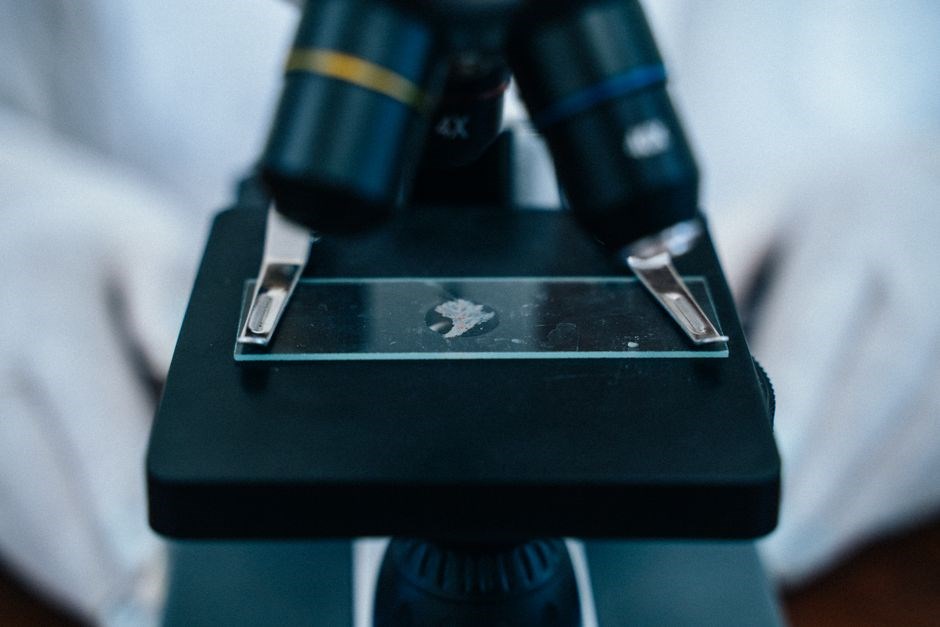
PDF-based workflows streamline microbiology tasks: from sample annotation to data extraction․ Tools like Adobe Acrobat, PDFMiner, and custom scripts parse tables, images, and metadata, feeding LIMS and bioinformatics pipelines for rapid analysis․ Data integrity!!!
Annotation and Extraction Tools (e․g․, Adobe Acrobat, PDFMiner)
Annotation and extraction tools are pivotal in converting static PDF manuscripts into actionable datasets for microbiologists․ Adobe Acrobat’s comment feature allows researchers to highlight gene sequences, add sticky notes with primer designs, and embed hyperlinks to external databases․ The built‑in export function can transform annotated PDFs into CSV or JSON, preserving positional data that aligns with figure coordinates․ PDFMiner, a Python library, parses text streams, extracting tables, footnotes, and figure captions while maintaining column integrity․ By combining these tools, labs can automate the extraction of experimental parameters, isolate metadata, and generate reproducible reports․ Workflow scripts that invoke PDFMiner’s layout analysis can detect multi‑column tables, merge fragmented cells, and output structured data ready for downstream statistical analysis․ Integration with laboratory information management systems (LIMS) further enables the direct ingestion of extracted data, reducing manual entry errors․ The synergy between manual annotation and programmatic extraction accelerates hypothesis testing, supports meta‑analyses, and ensures that critical experimental details are preserved in a machine‑readable format․ By embedding metadata tags and using OCR‑enabled extraction, researchers can convert scanned images of gel electrophoresis results into searchable text, enabling automated trend analysis across multiple experiments and fostering collaborative data mining initiatives within the microbiology community․ Such automated pipelines reduce manual curation time, improve data integrity, and allow rapid hypothesis generation, ultimately accelerating discovery cycles in microbial genomics and pathogen surveillance, and enhance reproducibility for future studies in the field․
Integration with LIMS and Data Management Platforms
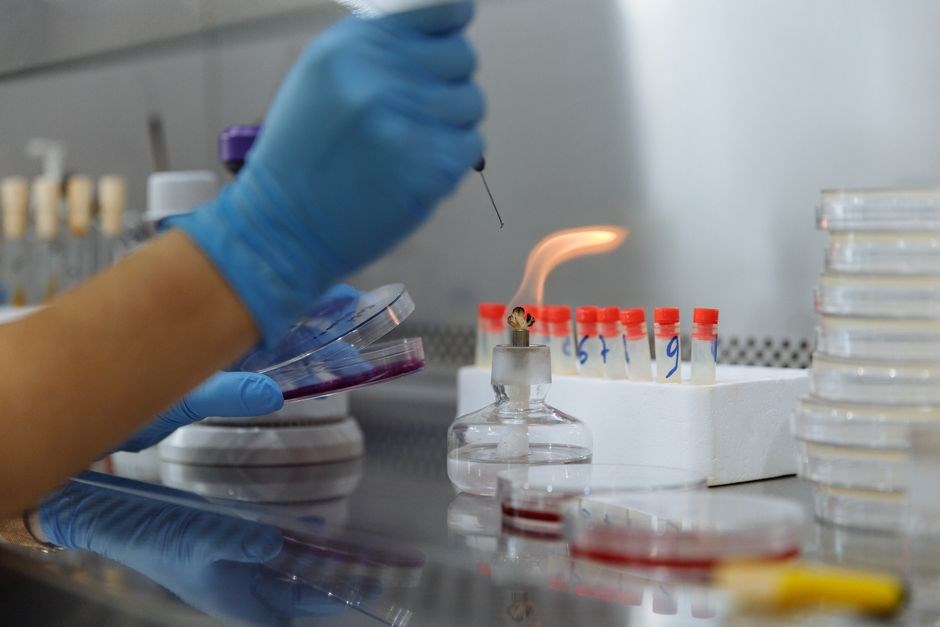
Seamless coupling of PDF‑based documentation with Laboratory Information Management Systems (LIMS) turns static reports into dynamic, traceable assets․ By embedding unique accession identifiers and metadata schemas directly into the PDF header, each document links programmatically to sample records, sequencing runs, and analytical workflows․ LIMS APIs ingest the PDF, parse embedded XML or JSON blocks, and populate relational tables that track sample provenance, experimental conditions, and result timestamps․ Researchers retrieve the latest protocol version from the LIMS, annotate it in Adobe Acrobat, and re‑upload the updated PDF, ensuring all collaborators view the same version‑controlled document․ Data extraction tools such as PDFMiner or commercial OCR engines pull quantitative values from figures, tables, and supplementary files, converting them into structured CSV files that feed directly into downstream bioinformatics pipelines․ Integration with cloud‑based data lakes enables real‑time analytics․ The ecosystem reduces manual data entry and minimizes transcription errors, enhancing audit trails and reproducibility of microbiological studies․ Tight coupling of PDFs with LIMS and data management platforms creates a resilient knowledge base that supports rapid hypothesis testing, collaborative research, and efficient resource allocation in modern microbiology laboratories․
Future Directions and Emerging Trends
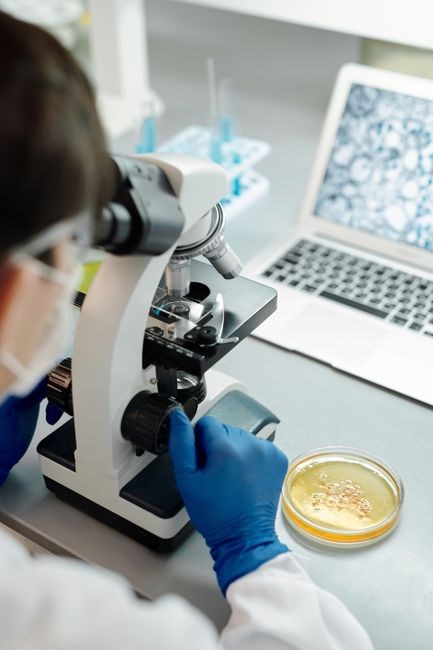
Emerging AI models will decode PDF‑embedded genomic data, enabling instant annotation of sequence motifs and phenotypic traits․ Blockchain will secure provenance while adaptive metadata schemas will evolve with evolving microbiome standards, ensuring accessibility․
AI-Driven Analysis of PDF-Embedded Images and Tables
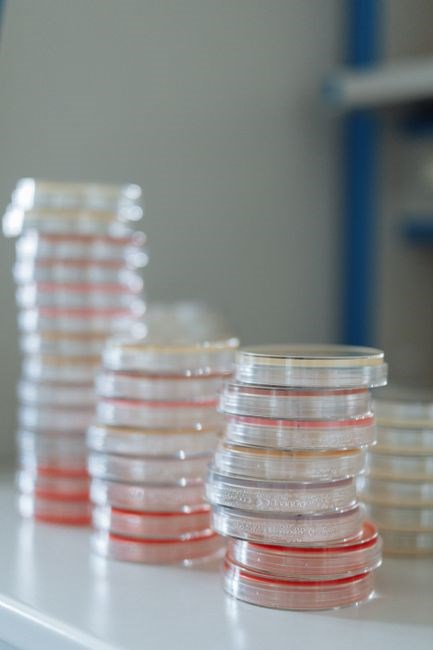
Artificial intelligence is rapidly transforming how microbiologists interrogate data locked inside PDF documents․ Convolutional neural networks trained on microscopy imagery can now automatically segment bacterial colonies, quantify colony‑forming units, and assign taxonomic labels without manual intervention․ Simultaneously, natural language processing pipelines parse embedded tables, converting LaTeX‑style numeric arrays into machine‑readable CSVs that feed downstream statistical models․ End‑to‑end workflows integrate OCR, image‑to‑feature extraction, and semantic tagging, enabling researchers to query a single PDF for both visual phenotypes and quantitative metrics․ This convergence reduces the need for manual re‑typing, accelerates hypothesis testing, and ensures reproducibility across labs․ Future systems will embed metadata directly into the PDF’s structure, allowing AI agents to retrieve provenance, version history, and conditions data at the click of a button!
Machine learning models now read embedded figure captions, extract quantitative values, and link them to metadata, enabling meta‑analysis across thousands of PDFs․ Researchers can query by species or assay type, outputs instantly․
Blockchain for PDF Integrity and Provenance
Blockchain technology offers a tamper‑proof ledger for PDF documents used in microbiology, ensuring that every edit, annotation, or data extraction is recorded immutably․ By hashing the PDF’s binary content and embedding the hash into a distributed network, researchers can verify authenticity at any time, even after long‑term storage․ Smart contracts automatically trigger alerts when a PDF diverges from its original hash, preventing unauthorized alterations that could compromise experimental reproducibility․ Furthermore, blockchain can store version histories, linking each revision to the author’s digital signature and timestamp, which satisfies journal and funding agency audit requirements․ Integration with laboratory information management systems (LIMS) allows automatic submission of new PDF reports to the blockchain upon completion of an assay, creating a seamless audit trail․ In multi‑institution collaborations, a shared blockchain network ensures that all parties access the same, verified version of protocols, results, and supplementary data, eliminating discrepancies that arise from file sharing․ Future implementations may combine zero‑knowledge proofs to protect sensitive patient or proprietary data․ Overall blockchain elevates PDF integrity from a static file to a dynamic, verifiable artifact that supports rigorous, transparent microbiological research․ measures ensure data integrity