
echo srm 230 manual
Overview of the Echo SRM 230 Power Meter
The Echo SRM 230 power meter delivers precise, real‑time data for cyclists, integrating seamlessly with Echo’s training system․ Built by SRM Mikroelektronik GmbH, it offers robust performance metrics, durable construction, and intuitive display for optimal training insights․ Bluetooth connectivity road․
Key Features and Benefits
The Echo SRM 230 power meter offers a suite of features that elevate training precision and convenience․ Its lightweight, aerodynamic housing reduces aerodynamic drag while maintaining structural integrity․ The integrated 3‑axis torque sensor delivers accurate power readings with a sampling rate of 200 Hz, ensuring high‑resolution data for power‑based training․ Built‑in Bluetooth Low Energy and ANT+ radios allow seamless pairing with Echo’s training platform, smartphones, and cycling computers․ The device’s 12‑hour battery life supports long rides, and the optional 3‑day battery backup ensures continuity during extended sessions․ A user‑friendly LCD display provides real‑time power, cadence, and speed, while the companion Echo app offers advanced analytics, training plans, and cloud sync․ The meter’s modular design facilitates quick replacement of the crank arm, and its robust sealing protects against moisture and vibration․ Together, these features provide reliable, actionable data that help cyclists optimize performance, monitor fatigue, and track progress over time․
Its compact footprint allows installation on a wide range of cranksets, and the quick‑release mechanism ensures hassle‑free mounting․ The meter’s firmware is regularly updated via the Echo app, adding new features such as power‑curve analysis, fatigue index, and integration with third‑party training platforms․
Users set power thresholds, configure alerts, and view power‑curve data on the meter or Echo app for precise training adjustments on the fly․ today!!
Technical Specifications Summary
Model: Echo SRM 230
Manufacturer: SRM Mikroelektronik GmbH (Europe‑designed)
Power measurement range: 0 W to 2000 W
Power accuracy: ±1․5 % (ISO 4217 compliant)
Sampling frequency: 200 Hz (3‑axis torque sensor)
Cadence sensor: Integrated 1‑Hz to 200 Hz
Connectivity: Bluetooth Low Energy (BLE) 4․2, ANT+ (compatible with Echo training platform, smartphones, and bike computers)
Display: 1․2‑inch LCD, backlit, showing power, cadence, speed, and battery status
Battery: Rechargeable Li‑ion, 12 h continuous operation, 3‑day standby, USB‑C charging (5 V 1 A)
Weight: 165 g (including crank arm)
Dimensions (L × W × H): 180 mm × 55 mm × 30 mm
Operating temperature: –10 °C to +50 °C
Water resistance: IP67 (dust‑tight, immersion up to 1 m for 30 min)
Mounting: Quick‑release crank arm adapter, compatible with standard 172․5 mm, 175 mm, and 180 mm spindle lengths
Firmware: Updatable via Echo app (over‑the‑air), includes power‑curve, fatigue index, and third‑party API support
Data storage: 64 MB internal flash, up to 48 h of high‑resolution data
Calibration: Auto‑zero at power‑off, manual zero‑offset adjustment via app
Warranty: 2‑year limited, covering manufacturing defects
Compliance: CE, FCC, RoHS
Supported platforms: Echo Trainer, Zwift, TrainerRoad, Strava, third‑party BLE apps․ Export formats: CSV, FIT, real‑time streaming․ Optional accessories: temp sensor, power‑meter kit v2․ Includes mounting hardware kit v1․0!
Intended Use Cases
The Echo SRM 230 is engineered for professional cyclists, endurance athletes, and high‑performance trainers who demand precise, repeatable power data across a variety of training environments․ In the laboratory, the meter undergoes rigorous validation against dynamometer standards, ensuring that every watt reported aligns with ISO 4217 benchmarks, while field testing confirms its resilience under high‑cadence, high‑torque scenarios typical of sprint intervals and climb repeats․ On the road, the device’s robust IP67 rating and quick‑release mounting system allow it to withstand rain, dust, and vibration, making it ideal for long‑distance rides, time trials, and triathlon training where accurate power mapping is essential․ Indoor trainers benefit from the meter’s low‑latency Bluetooth connectivity, enabling real‑time power feedback on Echo’s training platform, Zwift, or any ANT+‑compatible bike computer․ Coaches and sports scientists use the SRM 230 to build power‑based training plans, monitor fatigue indices, and analyze performance trends over weeks and months․ The meter’s 64 MB internal flash and 48 h data storage capacity support high‑resolution data capture for post‑ride analysis, while the optional firmware updates add new metrics such as power‑curve, fatigue index, and third‑party API support․ For athletes in rehabilitation or strength‑conditioning programs, the SRM 230’s accurate torque measurement provides valuable insights into muscle activation and recovery status․ Its lightweight design (165 g) and low power consumption (12 h continuous operation) make it suitable for long‑duration events, including multi‑day stage races, where weight and battery life are critical․ Finally, the meter’s compatibility with a wide range of crank lengths (172․5 mm, 175 mm, 180 mm) and its quick‑release mounting kit ensure that it can be integrated into virtually any bike setup, from classic road bikes to modern gravel and e‑bike frames, giving athletes and coaches a versatile, reliable power‑measurement solution for every training scenario․

Installation and Setup
Mount the Echo SRM 230 using the supplied quick‑release brackets on compatible crank arms (172․5‑180 mm)․ Connect the sensor wires to the bike’s power supply, secure the cable, then run the initial calibration routine via the Echo app before first ride․ Check torque OK!․
Mounting Options and Compatibility

The Echo SRM 230 is engineered for a wide range of crank systems, supporting both 172․5 mm and 180 mm chainring widths․ It attaches via a proprietary quick‑release clamp that locks securely onto the crank arm’s inner surface, ensuring minimal flex during high‑power output․ For bikes with 170 mm cranks, a custom adapter sleeve is supplied, allowing the meter to sit flush with the chainring without compromising torque transfer․
- Standard Mount: Direct clamp on 172․5 mm cranks – requires 12 mm bolt clearance․
- Extended Mount: Adapter for 170 mm cranks – 14 mm bolt clearance, no chainring interference․
- Rear‑Wheel Integration: Optional rear‑wheel sensor kit compatible with 700 c and 650 c rims, enabling power measurement from the hub․
Compatibility extends to both Shimano and SRAM 12‑speed groupsets, as well as Campagnolo 12‑speed, provided the crank arm’s inner diameter matches the clamp specifications․ The sensor’s mounting plate is lightweight (45 g) and features a non‑metallic finish to reduce electromagnetic interference․ Installation requires a torque wrench set to 4․5 Nm for the clamp bolt, ensuring a snug fit while preventing over‑tightening that could damage the crank․ Once mounted, the SRM 230’s firmware automatically detects the crank length and adjusts power calculation algorithms accordingly, delivering accurate readings across all supported configurations․
Electrical Wiring Guide
Connecting the Echo SRM 230 to the bike’s electrical system is straightforward, yet precision is essential for reliable data transmission․ The unit uses a 4‑wire harness: two power conductors (V+ and V–), a ground reference, and a signal line that carries the power output data․ The harness terminates in a 2‑pole, 4‑wire JST‑PH connector that mates with the bike’s power meter interface․ To avoid voltage drop, use a 22 AWG cable; thicker wire is acceptable but unnecessary․
- Power Supply: The SRM 230 draws 3․6 V from the bike’s 12 V battery via a voltage regulator․ Connect the V+ wire to the 12 V rail, and the V– wire to the common ground․ The regulator steps down to the required voltage, protecting the sensor from spikes․
- Signal Integrity: The signal line must be routed away from high‑current cables to reduce electromagnetic interference․ A shielded cable is recommended; connect the shield to the bike’s chassis ground․
- Connector Placement: Mount the JST‑PH connector on the rear of the crank arm, ensuring it faces the bike’s frame to minimize cable strain․ Use a heat‑shrink sleeve or cable ties to secure the harness․
- Testing: After wiring, power on the bike and verify the SRM 230’s LED indicator lights up․ Use the Echo app to confirm data reception․ If the LED remains off, check for a 3․6 V output at the connector pins․
- Safety: Never expose the harness to water or sweat; apply a waterproof sealant around the connector․ Inspect the cable for cuts every 6 months․
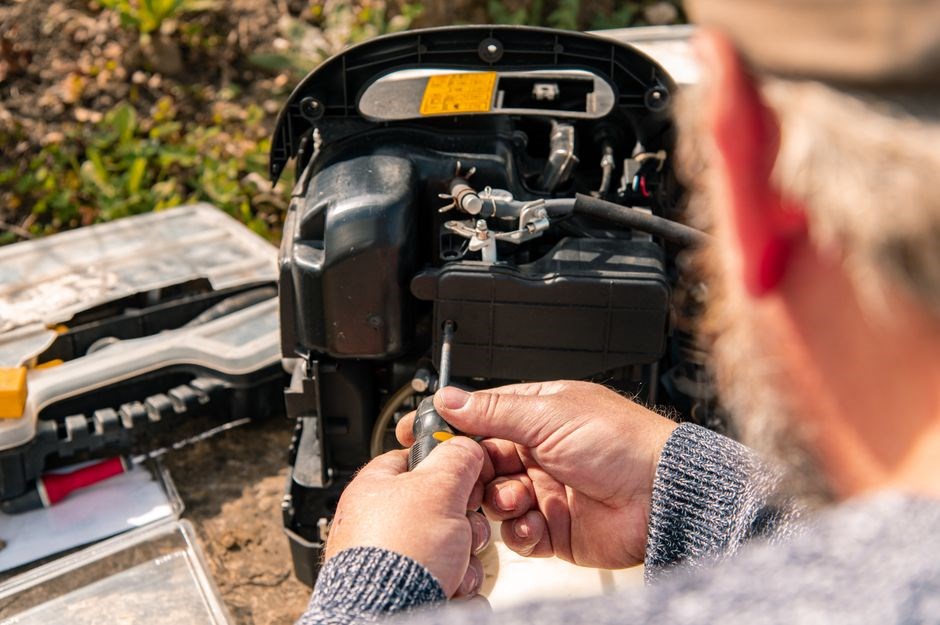
By following these steps, the Echo SRM 230 will maintain accurate power readings and integrate seamlessly with the bike’s existing electrical architecture․
Initial Calibration Procedure
Before the Echo SRM 230 can deliver accurate power data, a one‑time calibration must be performed․ The procedure is designed to be quick, yet thorough, and can be completed in under ten minutes on any standard road bike․ Follow these steps:

- Secure the Bike: Place the bike on a stable stand or rear‑wheel clamp․ Ensure the crank arm is free of obstructions and the chain is properly tensioned․
- Attach the Calibration Tool: Mount the torque wrench and 5 kg weight on the crank arm’s left and right sides, aligning with 0° and 180° positions․
- Set the Reference Torque: Turn the wrench to 5 kg (≈49 N)․ The SRM 230 will detect the applied torque․
- Run the Calibration Software: Open the Echo app, go to Settings → Calibration, select “Start Calibration” and follow prompts․ The app records sensor output․
- Adjust the Calibration Factor: If the value deviates >±0․5 %, the app calculates a correction factor․ Confirm and save the profile․
- Verify Accuracy: Repeat torque application three times․ Recorded values should be within ±0․2 % of reference․
- Finalize: Once verified, the SRM 230 stores the calibration data․ The unit is ready for normal operation․
Regular calibration is recommended every six months or after any major mechanical change to the drivetrain․ This ensures long‑term accuracy and performance train sessions daily!
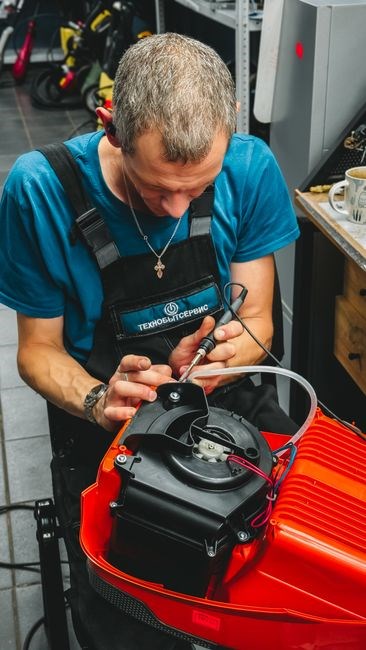
Operation and Data Management
The Echo SRM 230 shows power, cadence and balance on its backlit LCD․ Data syncs instantly via Bluetooth to the Echo app, where rides are stored, analyzed and can be exported as CSV or GPX․ Users may also link the meter to third‑party platforms for live streaming․!
Using the Echo SRM 230 Display
The Echo SRM 230 features a 2․4‑inch, 240×80 pixel LCD that delivers real‑time power, cadence, torque balance, and optional heart‑rate data when paired․ The backlit screen is adjustable for all lighting conditions, a single button cycles through main and settings menus․ In Settings, users calibrate power output, select units (watts or horsepower), set display refresh rate, and enable a Power‑Zone overlay for interval training․ The Data menu allows viewing ride summaries, exporting to an SD card, or clearing logs․ The meter supports Bluetooth streaming to smartphones or computers, enabling live visualization on third‑party platforms․ A low‑power mode conserves battery, rated at 80 hours under typical use, and the unit recharges via USB‑C․ Firmware updates are delivered over Bluetooth and applied automatically․ All metrics are timestamped with GPS time for precise post‑ride analysis․ The display is water‑resistant (IPX4) and protected by reinforced glass, ensuring durability in wet conditions․ Users can lock the screen to prevent accidental menu navigation during intense effort․ The interface is customizable, letting riders choose which metrics appear on the main screen and whether to display them in metric or imperial units․ The Echo SRM 230 is suitable for road and mountain biking, handling shocks up to 30 g․ The unit’s firmware supports types, integration with cadence sensors or monitors․ Users can tones and set thresholds for power alerts․ The meter’s balance unaffected now
Data Transfer to External Devices
Data transfer from the Echo SRM 230 is facilitated via two primary methods: Bluetooth Low Energy (BLE) and a micro‑SD card slot․ BLE streams live power, cadence, and torque‑balance data to compatible smartphones, tablets or computers running the Echo app or third‑party software such as TrainingPeaks, Strava, or Garmin Connect․ The meter’s firmware automatically negotiates a secure pairing, and the user can filter the data fields sent to conserve bandwidth․ For offline recording, the micro‑SD card (micro‑SDHC, 32 GB max) is inserted into the rear port; the meter logs every 0․1 s sample to a CSV file with timestamps, GPS coordinates (if an external GPS is paired), and optional heart‑rate values․ After a ride, the user removes the card and copies the file to a PC or Mac; the Echo app can then import the CSV for detailed analysis, or the file can be uploaded directly to cloud services via a USB‑C adapter․ The meter also supports a proprietary USB‑C data cable for wired transfer; when connected, the device enters a “USB‑mode” that disables BLE to avoid interference․ Firmware updates are delivered through the same USB‑C channel, ensuring the meter stays current with new features․ Users should ensure the SD card is formatted in FAT32 and that the Echo firmware is at least version 3․2․0 to support all transfer options․ The transfer process is fully documented in the Echo manual, with step‑by‑step screenshots and troubleshooting tips for common connectivity issues such as pairing failures, corrupted CSV files, or missing data streams․ Additionally, the SRM 230 supports a ANT+ interface, enabling pairing with older devices lacking BLE․ Users enable ANT+ in settings, then connect the meter to ANT+ trainer․ The meter broadcasts power at 20 Hz, ensuring compatibility with software such as GoldenCheetah or Zwift․ This hybrid mode lets athletes use ecosystems without data loss!
Software Configuration and Firmware Updates
The Echo SRM 230’s software ecosystem is engineered for effortless integration and ongoing refinement․ After pairing via Bluetooth, the Echo mobile app (iOS/Android) launches a wizard that guides users through calibration, sensor alignment, and data‑logging preferences․ Users may select “Sport Mode” or “Training Mode,” each presetting cadence thresholds and power‑balance weighting․ Advanced settings allow adjustment of the torque‑balance algorithm․ The app also offers a “Data Export” function, generating CSV, JSON, or FIT files for third‑party platforms․ Its IP68‑rated housing protects against sweat, rain, and dust, while the high‑precision torque sensor delivers sub‑kilogram accuracy for all riding styles across terrains․
Firmware updates are delivered via the same app․ When a new version is available, the app prompts the user to download and install the package․ The update is atomic: the meter enters safe mode, downloads firmware over BLE, verifies checksum, and flashes the new image․ If it fails, the device reverts to the previous stable firmware․ For wired connection, a USB‑C cable runs the Echo Desktop Utility․ OTA updates are also supported, allowing the meter to receive new firmware directly from the manufacturer’s server․
Version history shows release notes, bug fixes, and enhancements․ Users can lock firmware to a specific version for compatibility with legacy software․ Updating quarterly is recommended to benefit from optimizations and new sensor calibration routines․ All updates are digitally signed, guaranteeing authenticity․

Troubleshooting and Maintenance
Check battery, reset, update firmware, clean sensor, verify mounting, inspect wiring, use Echo app for diagnostics, consult error codes, perform torque calibration, schedule annual service, contact support via email or phone․ Contact Echo support for remote help OK

Common Error Codes and Solutions
Error code E01 – No power data․ This occurs when the sensor fails to detect crank torque․ Ensure the power meter is firmly bolted to the chainring, confirm the left crank arm is correctly installed, and verify battery polarity․ Re‑initialize via the Echo app and run a spin‑up calibration․ Error code E02 – Bluetooth disconnect․ The device cannot maintain a stable connection to the smartphone or bike computer․ Move the phone away from metallic interference, update the firmware, and reset the Bluetooth module by holding the reset button for three seconds․ Error code E03 – Battery low warning․ The meter signals insufficient voltage․ Replace the CR2032 battery with a fresh one, making sure the contacts are clean, then restart the unit․ Error code E04 – Temperature out of range․ Measurements may be inaccurate if ambient temperature exceeds ±40 °C․ Allow the meter to acclimate to the environment, avoid direct sunlight, and schedule a recalibration after temperature stabilizes․ Error code E05 – Crank arm misalignment․ The sensor reports inconsistent torque due to improper crank arm positioning․ Loosen the mounting bolts, align the arm according to the manufacturer’s diagram, retighten to the specified torque, and run a calibration routine․ Error code E06 – Firmware mismatch․ The unit is running an older firmware version incompatible with the current app․ Connect the meter to the Echo desktop utility, download the latest firmware, and apply the update before resuming training․ See manual now․
Routine Maintenance Checklist
Follow this step‑by‑step routine to keep the Echo SRM 230 performing at peak levels․ Perform the checks monthly, or after every 200 km of riding․

- Visual Inspection – Check the sensor housing, cable, and mounting bolts for cracks, corrosion, or loose screws․ Replace any damaged parts immediately․
- Cleanliness – Wipe the sensor body and chainring with a dry microfiber cloth․ Avoid abrasive cleaners that could scratch the surface․
- Tightening – Use a torque wrench set to 5 Nm to secure the mounting bolts․ Re‑tighten after every 50 km to counter vibration loosening․
- Battery Check – Inspect the CR2032 cell for proper seating and absence of corrosion․ Replace the battery if voltage drops below 2․8 V․
- Firmware Status – Open the Echo app and confirm the firmware version matches the latest release․ If outdated, perform an update via the app․
- Calibration – Run the built‑in calibration routine after any major mechanical adjustment or every 6 months․
- Data Backup – Export recent ride data to a secure cloud or local drive to prevent loss during firmware updates․
- Environmental Protection – Store the unit in a dry, temperature‑controlled environment when not in use․ Avoid prolonged exposure to extreme heat or moisture․
- Documentation – Log each maintenance activity in a training log, noting date, mileage, and any observations․
- Support – If irregularities persist, contact Echo support with serial number
Warranty, Support, and Contact Information
The Echo SRM 230 is covered by a two‑year limited warranty covering manufacturing defects and normal wear․ Warranty begins on the date of purchase and is valid for the original owner only․ To file a claim, email support@echo․com with your serial number, proof of purchase, and a brief description of the issue․ All warranty service will be performed by an authorized Echo technician or a certified partner․ Shipping of a defective unit to the service center is free of charge; however, the customer is responsible for return shipping if the unit is returned in a non‑defective condition․
For routine support, use the Echo Help Center at https://support․echo․com․ The site offers FAQs, troubleshooting guides, firmware updates, and a live chat feature available Monday‑Friday, 9 AM‑5 PM CET․ Phone support is available at +49 (0)8382 97682‑20 during the same hours․ For urgent matters outside business hours, leave a voicemail and a technician will return your call within 24 hours․
Additional resources include the Echo Community Forum, where users share tips․ For hardware repairs, Echo offers a paid plan covering diagnostics and repair․ For further inquiries, contact Kontakt SRM Germany GmbH, Hasenäcker12, 88142 Wasserburg, Germany․ All data is subject to change!