italian pasta guide
Embark on a culinary journey through Italy’s diverse pasta landscape‚ exploring regional specialties‚ classic sauces‚ and the art of primi piatti․
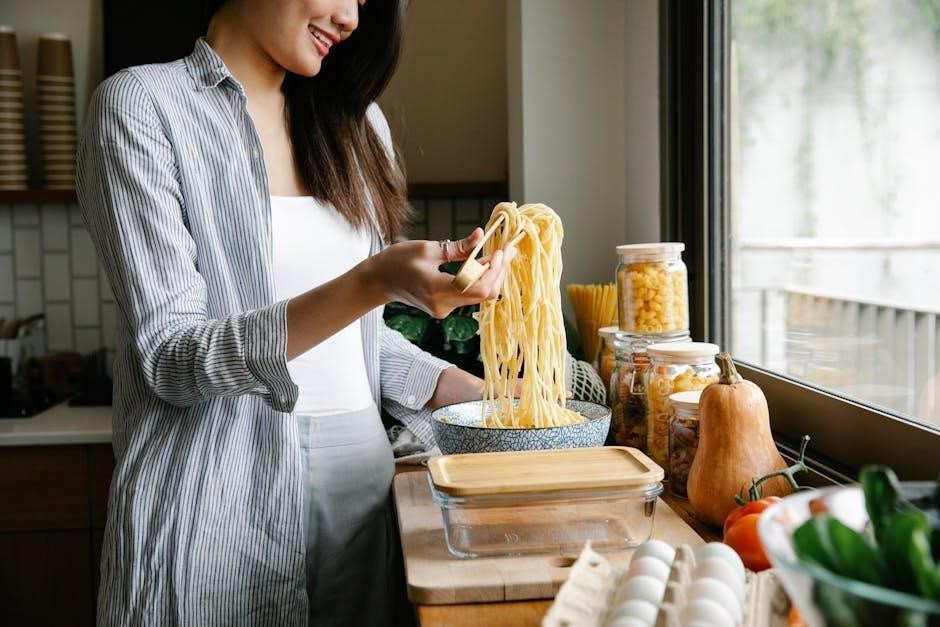
Italian pasta is a cornerstone of the country’s rich culinary heritage‚ extending far beyond simple spaghetti and meatballs․ It represents a diverse world of shapes‚ sizes‚ and textures‚ each designed to perfectly complement various sauces and preparations․ From the humble origins of dried pasta to the fresh‚ handmade varieties cherished today‚ pasta embodies Italian tradition and innovation․
Pasta isn’t merely a dish; it’s a cultural experience‚ deeply ingrained in the Italian lifestyle․ It traditionally forms the primo piatto – the first course – of a multi-course meal‚ setting the stage for the secondo‚ typically a protein․ Understanding pasta’s role within the broader meal structure is key to appreciating its significance․ Exploring this guide will unlock the secrets to enjoying authentic Italian pasta․
History and Origins of Pasta
The history of pasta is surprisingly complex‚ with roots tracing back to ancient civilizations․ While often associated solely with Italy‚ noodle-like foods existed in various forms across Asia for centuries․ However‚ modern pasta as we know it began to take shape in Italy during the Middle Ages․
Dried pasta‚ particularly‚ flourished in Southern Italy due to its favorable climate for drying․ This allowed for storage and trade․ Over time‚ different regions developed unique pasta shapes and techniques․ The evolution of pasta is intertwined with Italy’s agricultural practices and culinary innovations‚ becoming a symbol of Italian identity and a globally beloved food․
Types of Italian Pasta – A Categorization
Italian pasta boasts incredible diversity‚ generally categorized by shape: long‚ short‚ and shaped․ Long pasta includes classics like spaghetti‚ linguine‚ and fettuccine‚ ideal for lighter sauces․ Short pasta‚ such as penne and rigatoni‚ excels at holding chunkier‚ heartier sauces within their ridges․
Shaped pasta‚ like orecchiette and farfalle‚ offers unique textures and visual appeal․ Each shape interacts differently with sauces‚ enhancing the overall dining experience․ This categorization isn’t rigid‚ but provides a helpful framework for understanding the vast world of Italian pasta varieties․
Long Pasta Varieties
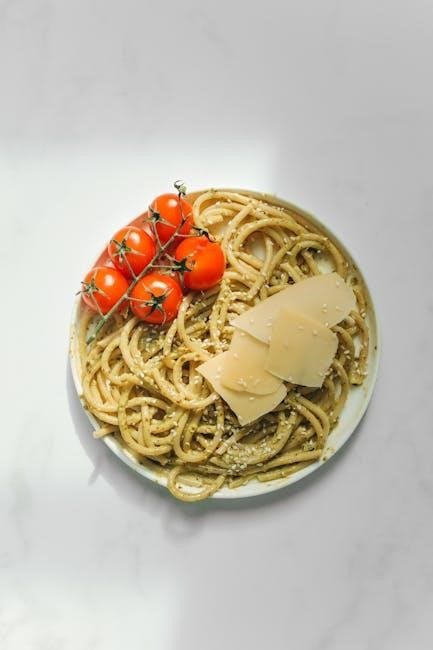
Long pasta forms the foundation of many beloved Italian dishes․ Spaghetti‚ perhaps the most recognizable‚ pairs beautifully with tomato-based or oil-based sauces․ Variations like spaghettini (thinner) and spaghettoni (thicker) offer nuanced textural differences․
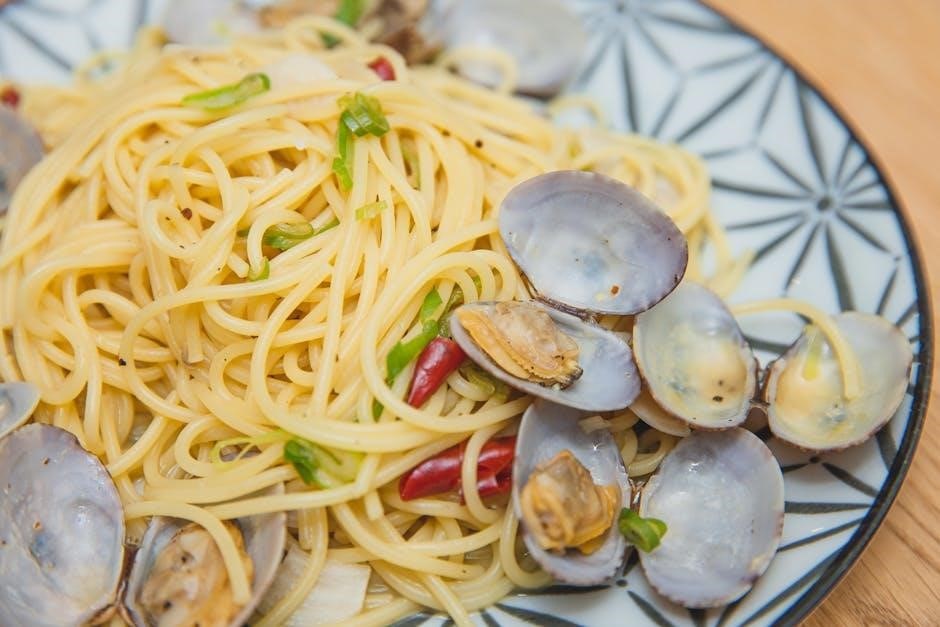
Linguine‚ a flattened spaghetti‚ is exceptional with seafood sauces‚ particularly clam-based preparations․ Fettuccine‚ wider still‚ is famously served with creamy sauces like Alfredo․ These long strands provide a satisfying bite and elegantly showcase the flavors of accompanying sauces․
Spaghetti and its Variations
Spaghetti‚ a quintessential Italian pasta‚ is celebrated for its versatility․ From simple Marinara to rich Bolognese‚ it complements a vast array of sauces․ Its round‚ string-like shape allows it to capture flavors effectively․
Variations include spaghettini‚ a thinner version ideal for lighter sauces‚ and spaghettoni‚ a thicker cut offering a more substantial bite․ These subtle differences impact the overall dining experience‚ showcasing the nuance within this classic pasta form․ Spaghetti remains a cornerstone of Italian cuisine‚ enjoyed globally․
Linguine and Fettuccine
Linguine‚ meaning “little tongues‚” is a flat‚ narrow pasta‚ perfectly suited for seafood-based sauces like the classic linguine alle vongole (with clams)․ Its shape allows the sauce to cling beautifully‚ delivering a burst of flavor with each bite․
Fettuccine‚ wider and flatter‚ is traditionally paired with creamy sauces‚ most famously Alfredo․ This Roman specialty showcases the pasta’s ability to hold rich‚ decadent textures․ Both pastas offer distinct experiences‚ highlighting the Italian tradition of matching pasta shape to sauce consistency for optimal enjoyment․
Short Pasta Varieties
Short pasta offers versatility and holds sauces exceptionally well‚ making them popular choices for hearty dishes․ These shapes‚ often ridged or textured‚ capture flavors within their curves and crevices․ Penne‚ with its angled ends‚ and rigatoni‚ boasting prominent ridges‚ are ideal for robust tomato-based or creamy sauces․
Fusilli and rotini‚ with their spirals‚ are excellent for lighter sauces or pasta salads‚ ensuring every bite is coated․ These shorter forms are frequently featured in primi piatti‚ offering a satisfying and flavorful start to an Italian meal‚ showcasing regional culinary traditions․
Penne and Rigatoni
Penne‚ meaning “pens” or “quills‚” are cylindrical pasta with diagonally-cut ends‚ available in smooth (lisce) or ridged (rigate) varieties․ The ridges enhance sauce adhesion‚ making penne rigate a favorite for arrabbiata or vodka sauce․ Rigatoni‚ larger and with even more pronounced ridges‚ excels with heartier sauces like meat ragù or creamy mushroom blends․
Both shapes are incredibly versatile‚ lending themselves to baked pasta dishes like pasta al forno․ Their robust structure holds up well to prolonged cooking‚ ensuring a satisfying texture․ These short pasta varieties are staples in Italian kitchens‚ offering a delightful culinary experience․
Fusilli and Rotini
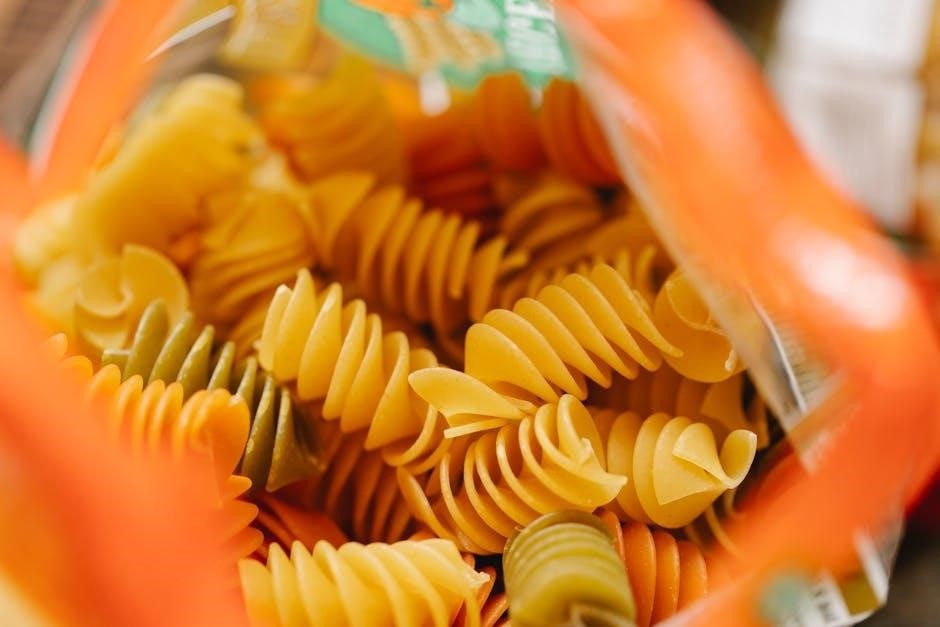
Fusilli‚ characterized by its corkscrew shape‚ and rotini‚ a similar spiral pasta‚ are excellent at capturing sauces within their twists․ This makes them ideal partners for pesto‚ creamy sauces‚ or chunky vegetable medleys․ Their playful form adds visual appeal to any dish‚ appealing to both adults and children․
Often used in pasta salads due to their ability to hold dressings‚ fusilli and rotini offer a delightful textural experience․ They are versatile enough for both light summer dishes and more substantial winter meals․ These spirals bring a touch of fun and flavor to the Italian table․
Shaped Pasta Varieties
Beyond the long and short cuts‚ Italian pasta boasts a delightful array of shapes‚ each designed to complement specific sauces and textures․ These varieties aren’t merely aesthetic; their forms enhance the dining experience․ Orecchiette‚ resembling small ears‚ are perfect for capturing robust sauces‚ while farfalle‚ or bow-ties‚ offer a playful presentation․
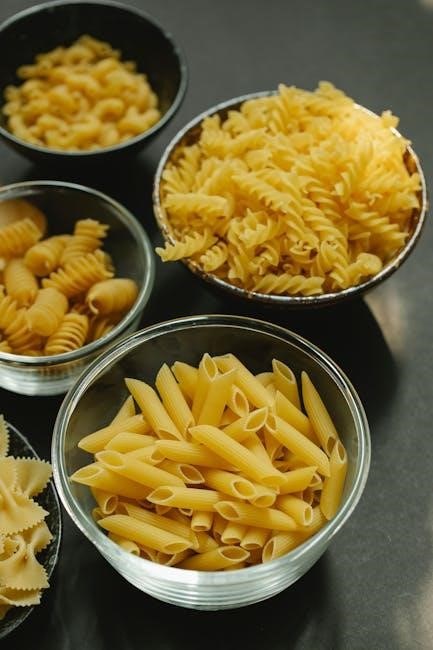
Conchiglie‚ commonly known as shells‚ are another popular choice‚ their cavities holding creamy or chunky sauces beautifully․ These shaped pastas demonstrate the creativity and regional diversity inherent in Italian cuisine‚ offering a unique culinary adventure with every bite․
Orecchiette and Farfalle
Orecchiette‚ translating to “little ears‚” originates from Puglia and excels at cradling sauces within its concave shape․ Its texture‚ slightly rough‚ allows sauces like broccoli rabe and sausage to cling perfectly‚ delivering a burst of flavor with each mouthful․ Farfalle‚ or bow-tie pasta‚ offers a more whimsical experience․
Its pinched center and ruffled edges provide varied textures‚ making it ideal for lighter‚ cream-based sauces or pasta salads․ Both varieties showcase the artistry of Italian pasta making‚ proving that shape isn’t just about appearance—it’s about enhancing the overall taste and enjoyment․
Conchiglie (Shells)
Conchiglie‚ meaning “shells” in Italian‚ are wonderfully versatile pasta shapes available in various sizes – from tiny conchigliette to large conchiglioni․ Their ridged surfaces and hollow interiors are designed to capture and hold substantial amounts of sauce‚ making them perfect for hearty ragùs or creamy cheese sauces․
Larger shells are often stuffed with ricotta and spinach‚ then baked for a comforting and satisfying meal․ The playful shape adds visual appeal‚ especially for children‚ while ensuring every bite is packed with flavor․ Conchiglie truly embody the Italian spirit of enjoying food with both taste and presentation․
Regional Pasta Specialties
Italy’s culinary landscape is a mosaic of regional pasta traditions‚ each reflecting local ingredients and historical influences․ Rome boasts iconic dishes like Carbonara – a rich blend of eggs‚ guanciale‚ Pecorino Romano‚ and black pepper – alongside the simpler‚ yet equally flavorful‚ Gricia and Cacio e Pepe․
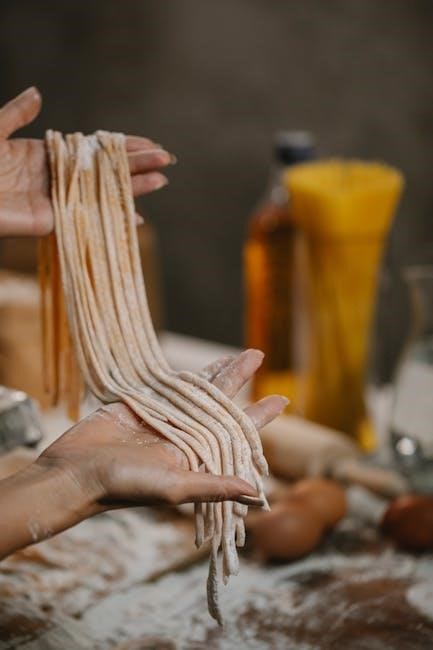
Venturing south‚ Puglia showcases Orecchiette with Broccoli Rabe‚ a rustic pairing highlighting the region’s fresh produce; These variations demonstrate that pasta isn’t just a dish‚ but a cultural expression‚ deeply rooted in Italy’s diverse territories and passed down through generations․
Roman Pasta Dishes: Carbonara‚ Gricia‚ and Cacio e Pepe
Rome’s pasta heritage centers around three deceptively simple‚ yet profoundly flavorful dishes: Carbonara‚ Gricia‚ and Cacio e Pepe․ Carbonara‚ a global favorite‚ combines pasta with eggs‚ guanciale (cured pork cheek)‚ Pecorino Romano cheese‚ and black pepper – cream is a definite no-no! Gricia is essentially Carbonara without the egg‚ showcasing the guanciale and Pecorino․
Cacio e Pepe‚ meaning “cheese and pepper‚” is the most minimalist‚ relying solely on Pecorino Romano and black pepper to create a creamy‚ satisfying sauce․ These dishes exemplify Roman cuisine’s focus on quality ingredients and masterful simplicity․
Southern Italian Pasta: Orecchiette with Broccoli Rabe
Southern Italy‚ particularly Puglia‚ boasts a rustic and flavorful pasta tradition․ A prime example is Orecchiette with Broccoli Rabe․ Orecchiette‚ meaning “little ears‚” are perfectly shaped to capture the sauce․ Broccoli rabe (or cime di rapa) offers a slightly bitter‚ robust flavor that balances beautifully with the pasta․
Often‚ this dish includes garlic‚ chili flakes for a touch of heat‚ and sometimes anchovies for umami․ The combination is a testament to Southern Italian cuisine’s resourcefulness and appreciation for simple‚ seasonal ingredients‚ creating a truly satisfying and authentic experience․
Traditional Pasta Sauces
Italian pasta sauces are incredibly diverse‚ reflecting regional variations and culinary traditions․ They range from simple‚ fresh preparations to rich‚ complex creations․ Tomato-based sauces‚ like Marinara and Arrabbiata‚ are staples‚ offering bright acidity and varying levels of spice․
Cream-based sauces‚ such as Alfredo and the iconic Carbonara‚ provide a luxurious and comforting experience․ Beyond these‚ sauces featuring seafood‚ vegetables‚ or meat demonstrate Italy’s commitment to utilizing seasonal ingredients and showcasing distinct flavors․ The sauce is integral to the pasta experience․

Tomato-Based Sauces
Tomato-based sauces form the cornerstone of Italian cuisine‚ celebrated for their vibrant flavors and versatility․ Marinara sauce‚ a simple yet elegant preparation‚ highlights the natural sweetness of ripe tomatoes‚ often enhanced with garlic‚ herbs‚ and a touch of olive oil․
Arrabbiata sauce‚ meaning “angry” in Italian‚ delivers a fiery kick with the addition of red chili peppers․ These sauces are incredibly adaptable‚ pairing beautifully with various pasta shapes and serving as a base for more elaborate dishes․ They represent the heart of Italian home cooking․
Marinara and Arrabbiata
Marinara sauce embodies Italian simplicity‚ a vibrant blend of tomatoes‚ garlic‚ and herbs like basil and oregano‚ simmered in olive oil․ It’s a foundational sauce‚ perfect for showcasing the quality of the tomatoes themselves․ Arrabbiata‚ translating to “angry” in Italian‚ builds upon this base with the addition of peperoncino – red chili peppers – delivering a delightful spicy kick․
Both sauces are incredibly versatile‚ complementing numerous pasta shapes․ Marinara’s gentle flavor suits delicate pastas‚ while Arrabbiata’s boldness pairs well with heartier varieties․ They represent the essence of quick‚ flavorful Italian cooking․
Cream-Based Sauces
Cream-based sauces represent a richer side of Italian pasta traditions‚ offering luxurious textures and decadent flavors․ Alfredo‚ a classic‚ features butter‚ Parmesan cheese‚ and cream‚ coating pasta in a velvety embrace – often enjoyed with fettuccine․ However‚ authentic Italian Alfredo differs significantly from the Americanized versions often encountered․
Carbonara sauce‚ while often mistakenly considered solely cream-based‚ traditionally relies on eggs‚ guanciale (cured pork cheek)‚ Pecorino Romano cheese‚ and black pepper for its creamy consistency․ These sauces‚ when prepared correctly‚ elevate pasta to a truly indulgent experience․
Alfredo and Carbonara Sauce
Alfredo sauce‚ a Roman creation‚ is deceptively simple: butter emulsified with Parmesan cheese and pasta water‚ creating a rich‚ clinging sauce․ American adaptations often include heavy cream‚ deviating from the original․ Carbonara‚ also Roman‚ is a masterclass in emulsion – eggs‚ guanciale‚ Pecorino Romano‚ and black pepper combine without cream‚ relying on heat and technique for its creamy texture․
Authentic Carbonara’s success hinges on perfectly cooked pasta and rapidly incorporating the egg mixture to prevent scrambling․ Both sauces demonstrate Italian culinary philosophy: quality ingredients and skillful execution are paramount‚ resulting in intensely flavorful and satisfying pasta dishes․
Pasta and Meal Structure in Italy
Italian meals are traditionally structured around multiple courses‚ with pasta playing a central role as the primo piatto – the first dish․ This isn’t a small appetizer; it’s a substantial course meant to satisfy‚ but not overwhelm‚ before the secondo piatto‚ typically meat or fish․
It’s uncommon to pair pasta with a side dish; the pasta is the dish․ Meat sauces‚ like tagliatelle alla bolognese‚ don’t negate the need for a separate protein course later․ Breakfasts are light‚ often consisting of coffee and a pastry‚ setting the stage for a more elaborate lunch and dinner․
Primi Piatti: The Role of Pasta
Pasta‚ as a primo piatto‚ holds a significant position in Italian dining‚ functioning as more than just a starter․ It’s a hearty‚ satisfying course designed to prepare the palate for subsequent dishes․ Whether it’s a simple tomato-based sauce or a richer cream creation‚ the pasta itself is the star․
Traditionally‚ primi are enjoyed before the secondo (main course) of meat or fish․ Italians generally don’t combine pasta with a side dish; it’s served as a standalone course‚ allowing the flavors to be fully appreciated․ This structure reflects a balanced and deliberate approach to mealtime․
Secondo Piatti: Pairing Pasta with Protein
While pasta traditionally functions as a primo piatto‚ it’s not uncommon to find pasta dishes incorporating meat․ Recipes like tagliatelle alla bolognese demonstrate this‚ featuring ground meat within the sauce itself․ However‚ the classic Italian approach separates pasta and protein into distinct courses․
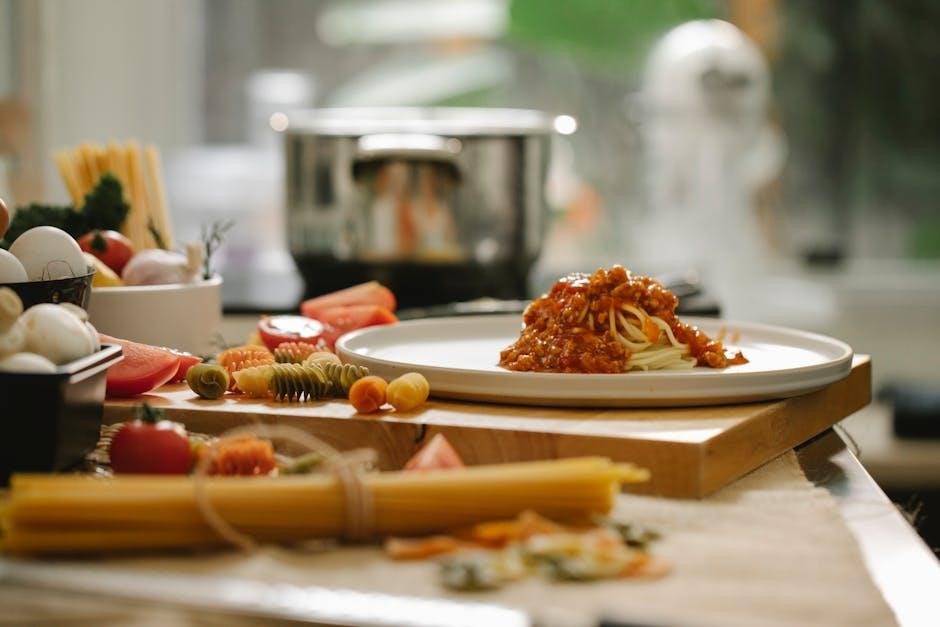
The secondo piatto – the main course – typically features meat or fish‚ often accompanied by a simple side dish like a salad with olive oil and vinegar‚ or potatoes․ This separation allows each element to shine‚ creating a balanced and flavorful meal․ It’s a deliberate structure‚ prioritizing distinct tastes;
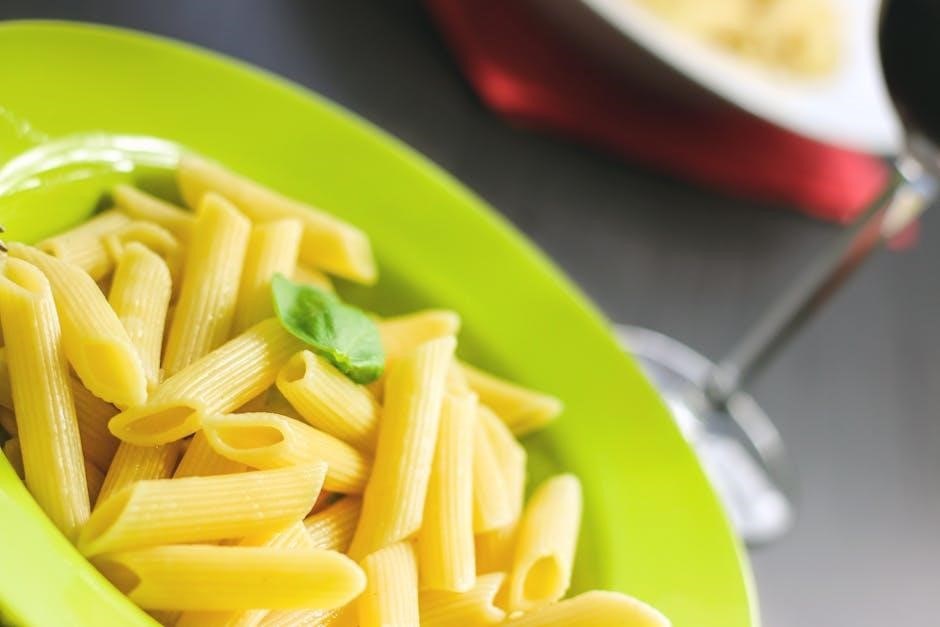
Cooking Pasta Perfectly – Al Dente
Achieving “al dente” texture is paramount in Italian pasta preparation․ This translates to “to the tooth‚” meaning the pasta should offer a slight resistance when bitten‚ not mushy or overly soft․ Proper cooking involves generous salting of the boiling water – a crucial step for seasoning the pasta itself․
Begin tasting the pasta a few minutes before the package directions suggest․ Remember‚ carryover cooking continues even after draining․ Reserve some pasta water; its starchiness helps bind the sauce․ Al dente pasta provides a satisfying bite and better holds the sauce‚ elevating the entire dining experience․
Tips for Choosing Quality Pasta
Selecting high-quality pasta significantly impacts the final dish․ Look for pasta made with 100% durum wheat semolina – this ensures a firm texture and excellent cooking properties․ Bronze-die extrusion creates a rougher surface‚ allowing sauces to cling better‚ enhancing flavor delivery․
Avoid pasta with a powdery residue‚ indicating breakage during production․ Consider regional varieties; each shape complements specific sauces․ While price isn’t always indicative of quality‚ investing in reputable brands often yields superior results․ Fresh pasta is a delightful alternative‚ but requires immediate cooking or freezing․